Global Recycling Day: Advancing Battery Recycling and Circular Supply Chains
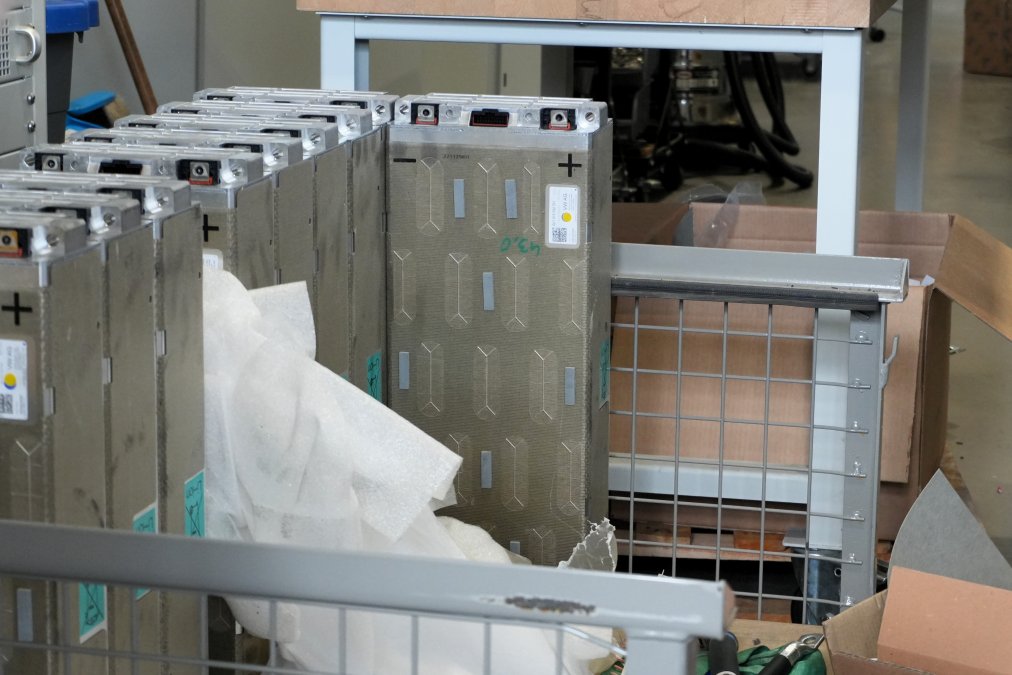
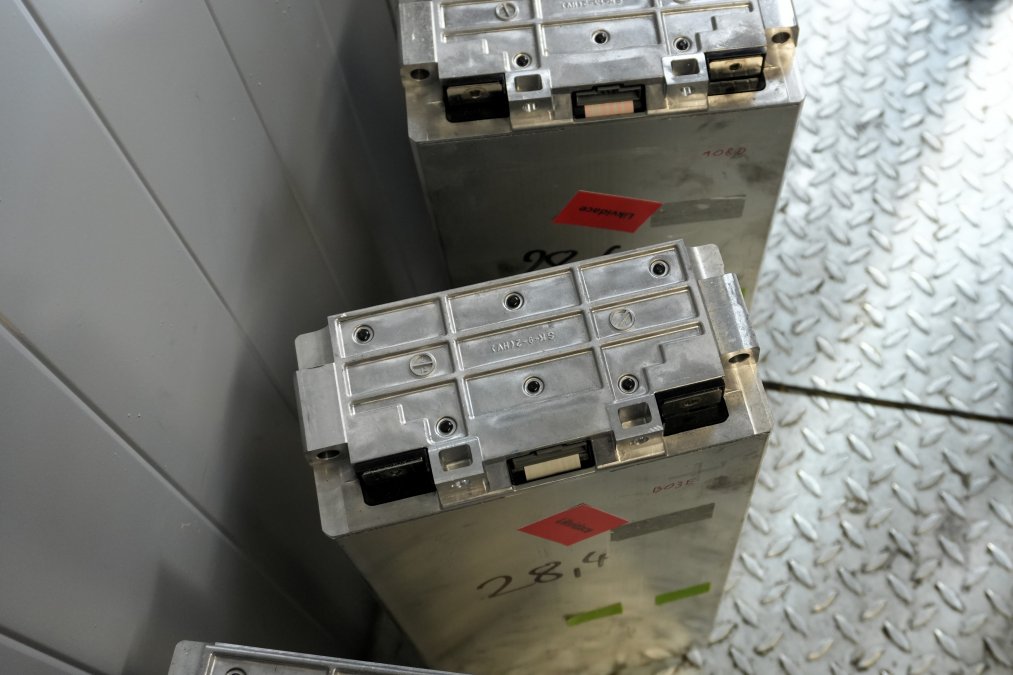
What happens to lithium-ion batteries at the end of their life? On Global Recycling Day, INERRANT explores this crucial question together with two of our Czech partners. In this interview, Petr Mareček (IBG) and Jiri Orava (UJEP) shed light on the methods, processes, challenges, and future perspectives of lithium-ion battery recycling, and explore how innovative recycling approaches are helping recover valuable materials and reduce environmental impact.
How does INERRANT integrate eco-friendly recycling methods into the development of safer lithium-ion batteries?
Jiri Orava INERRANT by principle uses green low-molecular-weight organic solvents to reduce the environmental impact of its hydrometallurgical recycling. By replacing mineral acids, widely used in recycling processes, with readily available green solvents, INERRANT formulates eco-friendly recycling approaches. INERRANT reuses most of the chemicals in recycling technology and it also develops simple chemical ways to remove contaminants from the solvents after they have been used. In this way, INERRANT attempts to create sustainable technology by minimizing waste products and increasing the recyclability of all chemicals.
What actually happens to a lithium-ion battery once it reaches a recycling facility? Can you walk us through the main steps?
Petr Mareček Once a lithium-ion battery reaches a recycling facility, it goes through several carefully controlled steps:
- Discharge and dismantling – The battery is safely discharged and mechanically opened. Components such as casings, current collectors and separators are separated.
- Material preparation – The active material (often called “black mass”) is collected. This contains valuable metals like lithium, nickel, cobalt and manganese.
- Chemical recovery (hydrometallurgy) – The black mass is treated using controlled chemical processes that dissolve and separate the metals. Through filtration, ion-exchange and precipitation steps, high-purity compounds can be recovered.
- Material purification and reuse – The recovered materials are refined into battery-grade salts or precursors that can be reintroduced into the production of new batteries.
In advanced recycling systems like those developed in INERRANT, recovery rates for key metals can reach very high levels, enabling a true circular flow of critical raw materials.
Thank you for explaining the main steps. Now to go more into detail, why are the first steps so critical for improving recycling efficiency?
Jiri Orava Proper battery discharging, disassembly and mechanical sorting represent crucial first steps in any battery recycling technology. INERRANT considers different types of batteries based on their construction and chemistry. Process and battery-handling safety are paramount; therefore, INERRANT developed a safe method for removing volatile and flammable electrolyte from batteries prior to mechanical disassembly. This step is critical to ensure safe handling in the recycling technology and is followed by mechanical disassembly and shredding. Our technology not only recovers all critical and strategic metals, but also recovers graphite and plastic parts, which are then used in further recycling, such as in solvolysis or pyrolysis.
INERRANT considers recyclability already at the material selection and cell design stage. Could you explain how that works?
Jiri Orava INERRANT recycling technology is used for two types of lithium-ion batteries, i.e., Nickel Manganese Cobalt (NMC) and Lithium Iron Phosphate (LFP) based cathodes. The recycling technology is being developed, by principle, to be versatile and able to process different types of battery chemistries. Our studies show that NMC and LFP can be processed together in a single mixture, while the kinetics and efficiency of leaching of all elements remain unaffected. In other words, it means our recycling technology can process batteries with different chemistries. This allows manufacturers and scientists to tweak the battery chemistry to meet application demands, while still maintaining recyclability.
What role do EU regulations and frameworks play in advancing battery recycling and circular supply chains?
Petr Mareček EU regulations play a decisive role in accelerating battery recycling and circularity. The new EU Battery Regulation (2023/1542) introduces mandatory requirements for: (1) Minimum recycled content in new batteries, (2) Carbon footprint reporting, (3) Extended producer responsibility, and (4) Improved traceability and transparency across the value chain. These rules create strong incentives for innovation in recycling technologies and encourage the development of European recycling capacity. They also support strategic autonomy by reducing reliance on imported raw materials. Projects like INERRANT contribute directly to these goals by developing safer batteries and advanced recycling processes aligned with EU sustainability and circular economy frameworks.
Looking ahead, what are the key challenges to achieving a truly circular lifecycle for lithium-ion batteries?
Jiri Orava There are many challenges that prevent a truly circular lifecycle for lithium-ion batteries. Battery packs and batteries have very variable designs – parts are glued and automatic large-scale detection and dismantling of different battery designs is challenging. In this sense, AI will become an important tool in battery sorting. The already noted chemical diversity of cathode chemistry challenges the recycling technology – each chemistry requires different processing parameters, based on the recycling technology employed, to achieve good recovery efficiency. Collection, logistics, and transport can pose safety risks – largely reduced by the availability of best practices and regulations in the market. The economics of recycling technology are questionable, especially for LFP cathodes. Therefore, recycling lithium-ion batteries is viewed more as a means of securing a secondary source of critical raw materials and diversifying the EU's dependence on imports. Relevant industries are now closely collaborating and forming “closed-loop” partnerships, which will enhance the circularity and re-use of materials in the market.