INERRANT Meets in Grenoble to Review Progress and Plan Next Steps for Year 3
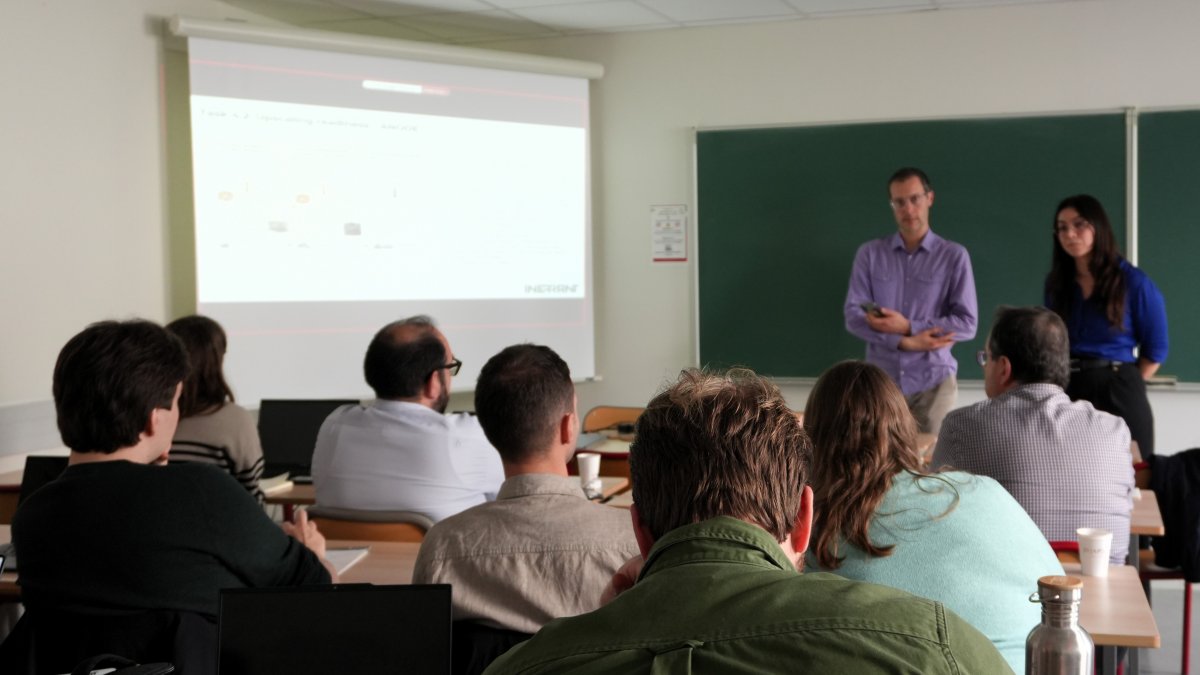
Grenoble, France, 11-12 February 2026 – The INERRANT consortium recently gathered in Grenoble, France, to review the progress achieved during the first 21 months of the project and align on the next steps towards developing safer and more sustainable next-generation lithium-ion batteries. Bringing together partners from academia and industry, the meeting provided a valuable opportunity to assess ongoing research activities and strengthen collaboration across the consortium.
Discussions during the first day focused on the technical progress achieved within the project. Partners reviewed advancements across several work packages, highlighting developments in anode, cathode, and separator technologies. These activities are central to INERRANT’s ambition to integrate novel materials and scalable processes that enhance the safety, performance, and sustainability of lithium-ion batteries. Sustainability aspects were also addressed in dedicated discussions, where partners shared updates on recycling processes and life cycle assessment (LCA) activities, ensuring that environmental considerations remain closely aligned with the project’s technological developments. Another session focused on battery cell testing, addressing safety testing procedures, industrialisation aspects, and the relevant standards needed to validate performance and reliability. Further discussions explored the progress and upcoming steps towards upscaling INERRANT technologies. Partners reviewed the status of separator, electrolyte, anode, and cathode developments and discussed actions required to integrate these components for future cell assembly and validation.
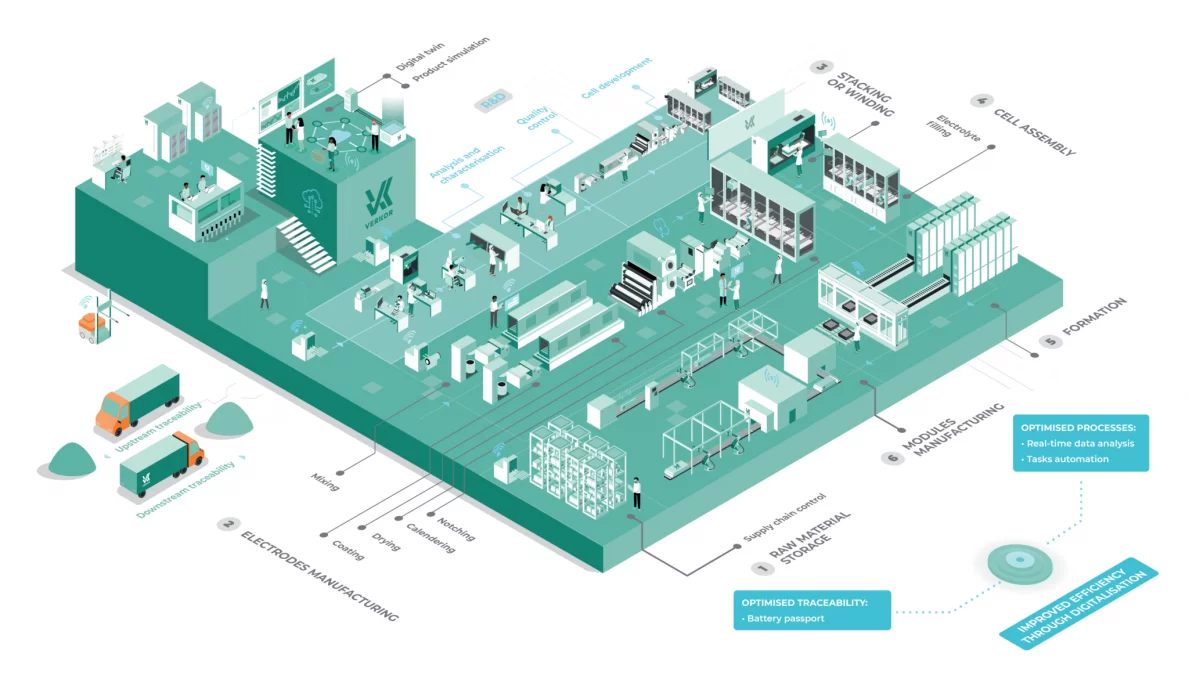
The first day concluded with a visit to the facilities of project partner VERKOR, offering participants valuable insights into industrial battery manufacturing and fostering exchanges on implementation pathways for the technologies developed within INERRANT. In the evening, networking activities continued in a more informal setting during a dinner featuring raclette and fondue.
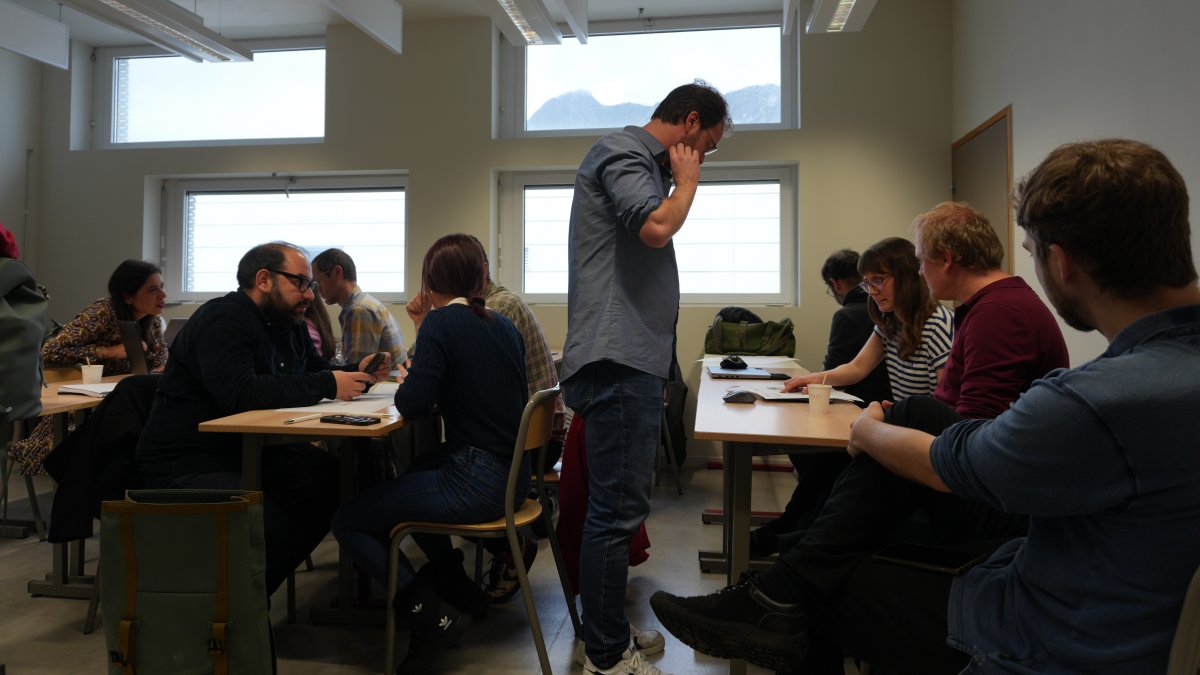
On the second day, partners participated in an advanced exploitation workshop led by EURICE. During this session, consortium members contributed to updates on the project’s Key Exploitable Results and worked together to further refine the roadmap for the exploitation and long-term impact of INERRANT’s outcomes beyond the project lifetime. The meeting also included updates on communication and dissemination activities, highlighting recent outreach initiatives and ongoing efforts to share the project’s progress with the wider battery research and innovation community.
The meeting concluded with a summary of key outcomes and an outlook for the third year of the project, outlining the remaining challenges and priorities for the next implementation phase. With continued collaboration and strong technical progress, the INERRANT consortium remains committed to advancing safer and more sustainable lithium-ion battery technologies.